
UV ultraviolet photolysis technology belongs to the deodorization technology of photochemical oxidation method, ultraviolet light ([ultraviolet ray] for UV), is the general term of the wavelength from 0. 01 ~ 0. 40 μ m (visible purple end to X-ray) radiation in the electromagnetic spectrum. According to the photochemical Einstein formula, when the light radiates the malodorous substance, the energy of the photon is greater than the chemical bond energy of the malodorous molecule, which can cause the photolysis reaction, and the chemical bond of the malodorous gas is broken.
UV light odor removal equipment is suitable for sewage treatment station, garbage transfer station, kitchen waste treatment station, aquatic feed processing plant, flavor and spice processing plant, leather processing plant, food and beverage factory, natural rubber material and rubber products factory, cigarette factory and other odor treatment.

Operational principle
UV ultraviolet photolysis technology belongs to the deodorization technology of photochemical oxidation method, ultraviolet light ([ultraviolet ray] for UV), is the general term of the wavelength from 0. 01 ~ 0. 40 μ m (visible purple end to X-ray) radiation in the electromagnetic spectrum. According to the photochemical Einstein formula, when the light radiates the malodorous substance, the energy of the photon is greater than the chemical bond energy of the malodorous molecule, which can cause the photolysis reaction, and the chemical bond of the malodorous gas is broken.
The wavelength is 184.9nm ultraviolet, its photon energy is 647 KJ/mol, the wavelength is 253.7nm ultraviolet, its photon energy is 472 KJ/mol, the wavelength is 365 nm ultraviolet, its photon energy is 328 KJ / mol, etc. The ultraviolet energy of these bands is stronger than the molecular binding energy of most exhaust gas substances, so the pollutant molecular bond can be cracked into ions in free state. And the short wavelength below 200 nm can decompose O2 molecules, and the active O and O2 can generate ozone O3. The pollutant ions in the free state are easy to oxidized with O3, generating simple, low or harmless substances, such as CO2, H2O, etc., in order to achieve the purpose of waste gas purification treatment.
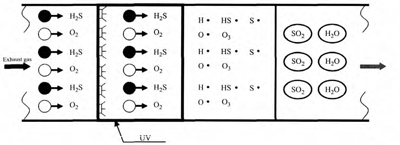
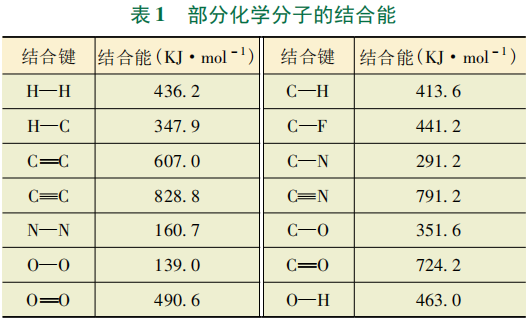
Table 1 shows the binding energy of some chemical molecules. As can be seen from the ultraviolet light wavelength segment and the above light energy formula, ultraviolet light can be further found in the actual inspection work that the larger the molecular weight of malodorous gas, the effect of UV photolysis oxidation is more obvious. Under the influence of UV light at the special energy level, see Table 2.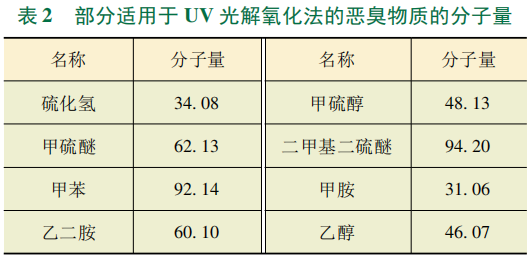
The malodorous waste gas is first cracked and oxidized by the photosolution oxidation process, to decompose the macromolecules into harmless small molecular substances, and then through the activated carbon adsorption layer at the back end, to absorb the small molecular pollutants that have not been completely decomposed, to ensure that the waste gas emission reaches the standard.
Equipment characteristics
Scope of application
UV light odor removal equipment is suitable for sewage treatment station, garbage transfer station, kitchen waste treatment station, aquatic feed processing plant, flavor and spice processing plant, leather processing plant, food and beverage factory, natural rubber material and rubber products factory, cigarette factory and other odor treatment.

